
Example Time travel theory
Keira has a new and unique theory on time travel. She files a patent application for her theory. Her application will be rejected as theories are outside the scope of patent subject matter.

Intellectual Property Principles
An invention must have a manner of manufacture – that is, no matter how good it looks in theory, it should actually be possible to:
The law excludes:
It also excludes anything that is a ‘discovery’ (i.e. already existing in nature) rather than an invention.
Keira has a new and unique theory on time travel. She files a patent application for her theory. Her application will be rejected as theories are outside the scope of patent subject matter.
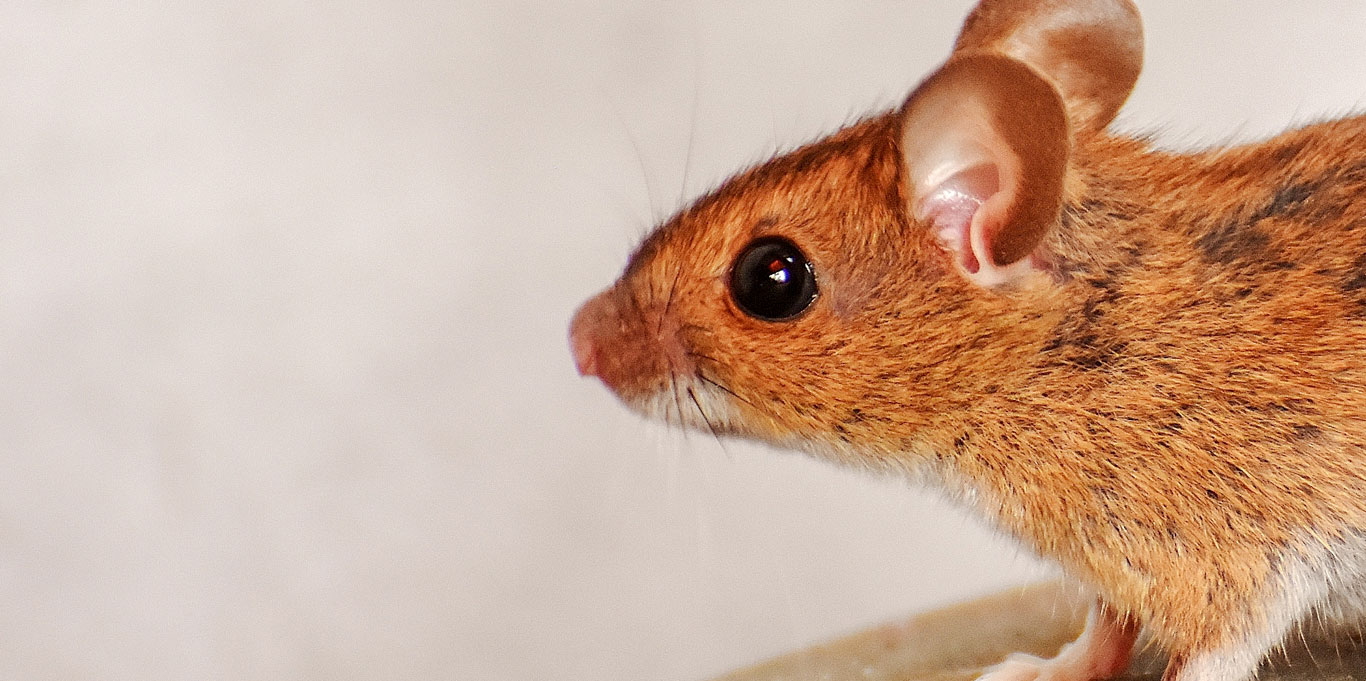
Don Lee invents a robotic cat that can sense the presence of rodents and capture them. Don Lee’s invention is eligible for patent protection if he can demonstrate a clear manner of manufacture.